Snake Plant Care Guide (2026): How to Grow a Healthy Snake Plant Indoors
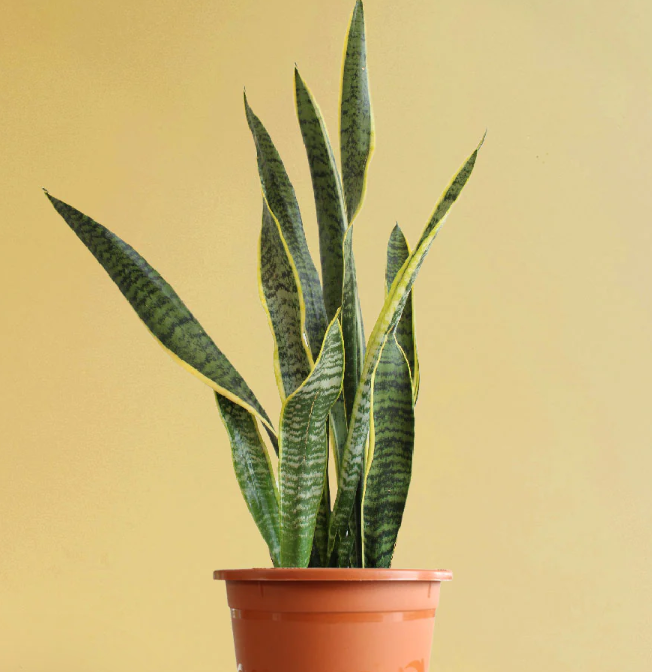
The Snake Plant, which has the botanical name Dracaena trifasciata, is one of the easiest indoor plants to grow. Whether you’re a beginner, this hardy can thrive with minimal care. In this guide, you’ll learn everything about the care of the Snake Plant, including watering, sunlight, soil, propagation, common problems, and expert tips.
Quick Plant Facts
Feature
Details
Common Name
Snake Plant
Botanical Name
Dracaena trifasciata
Family
Asparagaceae
Plant Type
Indoor Succulent
Difficulty
⭐☆☆☆☆ (Very Easy)
Sunlight
Bright indirect light to low light
Watering
Every 2-4 weeks
Soil
Well-draining cactus or succulent mix
Fertilizer
Once every 2-3 months during spring and summer
Temperature
18°C–30°C
Humidity
Normal indoor humidity
Pet Safe
❌ No (Toxic to cats and dogs)
❤️ Why You’ll Love Snake Plants
✅ Beginner- friendly
✅ Extremely low maintenance
✅ Drought-tolerance
✅ Excellent indoor decor plant
✅ Stylish modern appearance
✅ Long -lasting
🌤️Light Requirements
Grow best in bright indirect sunlight, but they are also very famous for tolerating low light conditions.
Best Light Conditions
Signs of Too Much Light
Signs of Too Little Light
For faster growth use bright indirect light
Morning sunlight will be beneficial
Avoid harsh afternoon sun
Brown Patches
Scorched leaves
Slow growth
Faded leaf color
Pro Tip: Rotate the pot every few weeks so all sides of the plant receive light evenly.
💧Watering Guide💧 ❌Biggest mistakes people make is overwatering. ✅Water only when the soil is completely dry.
Indoor gardening refers to the practice of cultivating plants within the confines of one’s home or another enclosed space. This increasingly popular hobby offers numerous benefits, making it an appealing choice for both novice and experienced gardeners. One of the primary advantages of indoor gardening is its potential to significantly improve air quality within living spaces. Plants have the remarkable ability to filter out pollutants, absorbing harmful toxins and releasing oxygen. This natural process not only contributes to a healthier home environment but also creates a serene ambiance.
Another key benefit of indoor gardening is its ability to enhance home aesthetics. Indoor plants not only add visual interest but also bring a touch of nature indoors, creating a soothing and vibrant atmosphere. From elegant succulents to robust herbs, the variety of available plants allows individuals to express their personal style while integrating greenery into their living spaces. Additionally, many indoor plants are known for their ability to adapt to less-than-ideal lighting conditions, making them suitable for various locations within the home.
Beyond aesthetic and air quality improvements, indoor gardening enables individuals to grow their own fresh herbs and vegetables. This practice not only promotes healthier eating habits but also fosters a greater appreciation for the food we consume. By cultivating their own produce indoors, individuals can ensure that they have access to fresh, organic ingredients year-round, regardless of the external climate conditions.
However, successful indoor gardening requires a fundamental understanding of plant needs in an enclosed environment. Factors such as light, humidity, and temperature play critical roles in plant health. Ensuring that indoor plants receive adequate natural light, or supplementing with artificial grow lights if necessary, is essential for thriving plants. Additionally, understanding the watering requirements and nutrient needs of different plants will contribute to a successful indoor gardening experience. Thus, as individuals embark on their journey into indoor gardening, a thorough knowledge of these requirements will serve as crucial foundation for healthy plant growth and satisfaction in this rewarding endeavor.
Choosing the Right Plants for Beginners
When embarking on the journey of indoor gardening, selecting the right plants is crucial for success, especially for beginners. Several low-maintenance houseplants are particularly well-suited for those just starting out, including pothos and snake plants. These plants not only beautify indoor spaces but also provide an excellent introduction to indoor gardening.
Pothos, with its cascading vines, is renowned for its ability to adapt to a variety of light conditions, ranging from low light to bright, indirect sunlight. It is also forgiving in terms of watering; allowing the soil to dry out between waterings is generally acceptable for this plant. This makes pothos an excellent choice for those who might occasionally forget to tend to their plants.
Similarly, snake plants, also known as Sansevieria, are highly resilient and can thrive in a range of environmental conditions. They prefer indirect light but can tolerate low-light situations, making them ideal for rooms with minimal sunlight. Furthermore, snake plants are drought-resistant, which means that they do not require frequent watering. This characteristic can be particularly appealing for beginners who may not have extensive experience with plant care.
In addition to these decorative plants, growing herbs indoors is another rewarding option for novice gardeners. Herbs like basil, mint, and parsley are relatively easy to cultivate and can thrive on a sunny windowsill. Not only do they enhance the aesthetic of an indoor garden, but they can also be beneficial for culinary purposes.
When selecting plants for indoor gardening, consider factors such as light requirements and growth habits. Understanding the specific needs of each plant will help ensure a thriving indoor garden. By opting for hardy plants that require minimal maintenance and attention, beginners can build confidence as they cultivate their new indoor sanctuary.
Essential Gardening Supplies and Tools
Embarking on an indoor gardening journey requires the right set of supplies and tools to ensure successful plant growth and maintenance. The first essential item for any indoor garden is suitable pots. Selecting the appropriate pot size and material is crucial, as it affects drainage and root health. Pots made from clay or ceramic are popular choices, but plastic pots can be lightweight and affordable alternatives, ideal for a variety of plant species.
Next, high-quality potting soil is vital for indoor gardens. Unlike garden soil, potting soil is specially formulated to provide adequate drainage and aeration, ensuring roots access the nutrients they need. Consider using soil mixes that contain a blend of organic matter, peat moss, and perlite or vermiculite for optimal growth.
A watering can is an equally important tool, as it allows for controlled watering, which is essential to avoid over-saturation. Look for a can that has a narrow spout for precision, preventing water from splashing onto leaves, which can foster disease. Furthermore, integrating a moisture meter into your gardening practices can be extremely beneficial. This tool helps you monitor the moisture level in the soil, ensuring that your plants are not overwatered, which is a common mistake among beginners.
Fertilizers are an additional necessity for plant vitality. A balanced, slow-release fertilizer can provide plants with essential macro and micronutrients throughout their growth cycle. Organic options, such as compost or fish emulsion, are also excellent choices, adding nutrients while improving soil structure.
Lastly, having a pair of pruners or scissors is essential for plant care. Regular trimming promotes healthy growth and prevents disease, while maintaining overall aesthetics.
Understanding Light Requirements
In the realm of indoor gardening, understanding the light requirements of plants is pivotal for their growth and health. Plants, being photosynthetic organisms, rely heavily on light as a primary energy source. Indoor plants typically fall into three categories based on their light needs: low, medium, and high light. Knowing the specific light requirements for each of your plants will help in positioning them appropriately.
Natural light is one of the most beneficial sources for indoor plants, especially those that thrive in sunlight. South-facing windows usually provide the most intense light, making them ideal for high-light plants such as succulents and cacti. Meanwhile, east and west-facing windows offer medium light, suitable for a broader range of indoor varieties. North-facing windows, conversely, provide low light and can accommodate shade-loving plants like ferns and peace lilies.
However, since not all homes are equipped with optimal natural lighting conditions, indoor gardeners often turn to grow lights. These artificial lights simulate sunlight and can significantly boost plant growth when natural light is insufficient. There are various types of grow lights to choose from, including fluorescent, LED, and incandescent, each with its pros and cons. LED lights, for example, are energy efficient and emit less heat, making them a popular choice among indoor gardeners.
To maximize light exposure, consider rotating your plants regularly, ensuring all sides receive adequate light and avoiding uneven growth. Additionally, placing reflective surfaces like mirrors or light-colored walls nearby can enhance the ambient light in your gardening space. By understanding and catering to the light needs of your indoor plants, you can foster a thriving indoor garden.
Watering Techniques and Schedules
Effective watering is pivotal in ensuring the health and vitality of indoor plants. Proper watering techniques and schedules directly influence the growth and overall condition of plant species. Understanding the specific water requirements is essential, as the needs can differ widely among various plants.
One common method of watering indoor plants involves the “soak and dry” approach. This entails thoroughly soaking the plant’s soil until water drains out of the bottom of the pot, allowing excess moisture to escape while ensuring the roots absorb enough water. It is crucial to allow the soil to dry out slightly between waterings, as many indoor plants thrive in conditions where they are not consistently wet.
Factors that influence the frequency of watering include the type of plant, the size of the pot, the potting mix, the environment of the plant, and the season. For instance, during the growing season—typically spring and summer—plants may require more frequent watering due to increased evaporation rates and a heightened demand for water. Conversely, in winter, most indoor plants enter a dormant phase and may need less water.
Recognizing the signs of overwatering and underwatering is also essential for maintaining healthy plants. Overwatered plants often exhibit yellowing leaves, a wilting appearance, and root rot, whereas underwatered plants may show signs of browning leaf edges, drooping, and dry soil. Adequate drainage is vital to prevent water from pooling at the bottom of the pot, which can lead to root damage.
In conclusion, intentional and informed watering practices, considering plant type and environmental conditions, are crucial for fostering a thriving indoor garden. By following the appropriate techniques and monitoring the water needs of your plants, you can improve their health and longevity significantly.
Soil and Fertilization Basics
Indoor gardening success significantly relies on the choice of soil and appropriate fertilization techniques. The ideal soil for indoor plants must provide adequate drainage, aeration, and nutrients essential for their growth. Various types of potting mixes are available, but a quality potting soil, specifically formulated for indoor plants, is commonly recommended. This type of soil typically contains a blend of organic materials such as peat moss, vermiculite, and perlite, which enhance water retention without becoming waterlogged.
When selecting a soil mix, consider the specific needs of the plants being cultivated. For instance, cacti and succulents prefer a well-draining mix that allows excess water to escape quickly, while tropical plants benefit from a more moisture-retentive blend. It is also important to use sterilized soil to prevent the introduction of pests and diseases into your indoor garden.
Fertilization plays a crucial role in plant health, supplying essential nutrients that may not be present in sufficient quantities in potting soil. During the growing season, most indoor plants benefit from regular fertilizing. A general rule of thumb is to fertilize every four to six weeks, but other factors such as plant type and growth conditions should be considered. When choosing a fertilizer, liquid fertilizers are popular as they can be easily absorbed by plants, while slow-release fertilizers gradually provide nutrients over an extended period.
It is vital to follow the application instructions provided with the fertilizer to avoid over-fertilization, which can cause damage to plants. Signs of nutrient deficiencies, such as yellowing leaves, stunted growth, or poor flowering, may indicate a need for fertilizer adjustment. By understanding soil types and fertilization methods, indoor gardeners can foster a healthy and thriving environment for their plants.
Pest Management for Indoor Gardens
Indoor gardening, while rewarding, can present several challenges, particularly with pests that threaten plant health and vitality. Common pests in indoor gardens include aphids, spider mites, fungus gnats, and whiteflies. These pests can cause significant damage, often leading to stunted growth or even plant death. Identifying the symptoms of infestations is crucial for effective pest management. Common signs include yellowing leaves, webbing on plants, sticky residue on surfaces, and visible insects on the foliage.
Preventing pest infestations begins with maintaining healthy plants. Ensure adequate air circulation, appropriate watering practices, and proper lighting, as stressed plants are more susceptible to pest attacks. Moreover, regularly inspecting plants for any early signs of infestation can facilitate early intervention. A proactive approach, such as introducing beneficial insects like ladybugs or using companion planting strategies, can deter pests naturally.
If pests do appear in your indoor garden, several treatment strategies can be employed. Organic methods often include neem oil, insecticidal soap, or diatomaceous earth. These treatments are generally safe for both plants and humans while being effective in managing pest populations. For more severe infestations, chemical treatments such as synthetic pesticides may be necessary; however, it is essential to select products labeled safe for indoor use and to follow application instructions closely to reduce risks to household members and pets.
Ultimately, integrating both preventive measures and treatment options will help manage pests effectively in your indoor garden. A well-maintained garden not only thrives but also becomes more resilient against potential pest issues, ensuring your indoor gardening experience remains enjoyable and fruitful.
Creating a Maintenance Schedule
Establishing a regular maintenance schedule is crucial for ensuring the longevity and health of your indoor garden. Regular care not only promotes plant growth but also helps prevent potential issues such as pests and diseases. By creating a structured routine, you can cultivate a thriving indoor garden that flourishes all year round.
The first step in developing a maintenance schedule is to identify essential tasks associated with indoor gardening. These tasks generally include watering, pruning, repotting, and monitoring the overall health of your plants. Depending on the specific plants you are growing, the frequency and nature of these tasks may vary. For instance, leafy greens and tropical plants may require more frequent watering compared to succulents.
Watering schedules should be tailored to the specific moisture needs of each plant species. Begin by assessing the soil moisture levels weekly; this will give you a clearer idea of when your plants require water. Additionally, keep an eye on humidity levels, particularly for tropical plants, which thrive in higher humidity.
Pruning is another critical task that should not be overlooked. Establish a routine for trimming leaves and stems to promote healthy growth and improve air circulation. Typically, you may want to prune dead or yellowing leaves bi-weekly or monthly. Furthermore, repotting should be conducted when plants outgrow their containers, often every six months to a year, allowing roots ample space to develop.
Finally, include time for regular inspections of your plants. This routine checkup will allow you to detect potential pests or diseases early, providing a chance to address issues before they escalate. Documenting your observations can help track plant health over time, enabling more informed decisions regarding care.
In summary, a well-structured maintenance schedule can lead to a successful indoor gardening experience. By taking the time to create a personalized routine based on the specific needs of your plants, you will significantly enhance their growth and vitality.
Inspiration and Resources for Further Learning
Indoor gardening can be a rewarding and fulfilling hobby, and as you embark on your journey, it is essential to seek out resources that can assist you in expanding your knowledge and skills. There are numerous avenues through which you can learn more about indoor gardening, from books to online communities and beyond.
Books remain one of the most reliable resources for any gardener. Consider titles like “The Indoor Gardener: A Practical Guide to Growing Plants Indoors” by John Doe, which covers a wide range of topics, from selecting plants to creating optimal indoor environments. Other recommended readings include “Houseplants for Beginners” and “The Joy of Indoor Gardening,” both of which provide useful tips and insights into successful indoor gardening.
Online communities can also offer a wealth of inspiration and shared experiences. Joining gardening forums such as GardenWeb or participating in subreddits like r/IndoorGarden can connect you with fellow enthusiasts. These platforms allow members to share ideas, troubleshoot problems, and exchange photos of their successes. Engaging with these communities can provide both inspiration and encouragement as you cultivate your indoor garden.
In addition, many bloggers and content creators focus specifically on indoor gardening. Websites like The Spruce and Gardening Know How feature articles, tutorials, and other resources specifically tailored for indoor growers. Following these blogs can provide you with new ideas, updates on trends, and practical advice to apply in your own gardening practices.
Lastly, consider looking into local gardening clubs or workshops. Many communities offer classes focusing on indoor gardening techniques, which can facilitate hands-on learning and real-world networking with fellow gardeners. These interactive environments can deepen your understanding and improve your confidence in your indoor gardening endeavors.