Spider Plant Care Guide (2026): How to Grow a Healthy Snake Plant Indoors
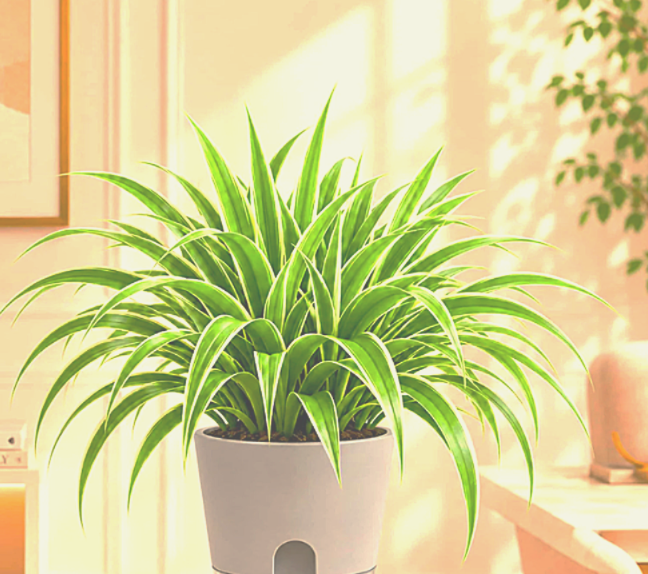
The Spider Plant (Chlorophytum comosum) is one of the easiest indoor plants to grow. Whether you’re a beginner or an experienced plant lover, this hardy houseplant thrives with minimal care. In addition, its arching green leaves and baby plantlets make it a beautiful choice for homes and offices. In this guide, you’ll learn about watering, sunlight, soil, propagation, repotting, and common problems.
Quick Plant Facts
| Feature | Details |
| Common Name | Spider Plant |
| Botanical Name | Chlorophytum comosum |
| Family | Asparagaceae |
| Plant Type | Indoor Succulent |
| Difficulty |  ☆☆☆☆ (Very Easy) ☆☆☆☆ (Very Easy) |
| Sunlight | Bright indirect light to low light |
| Watering | Every 1-2 weeks |
| Soil | Well-draining cactus or succulent mix |
| Fertilizer | Once every 2-3 months during spring and summer |
| Temperature | 18°C–27°C |
| Humidity | Average indoor humidity |
| Pet Safe | ✅ Yes (Non-Toxic to cats and dogs) |
 Why You’ll Love Snake Plants
 Beginner- friendly
Extremely low maintenance
Drought-tolerance
Excellent indoor decor plant
Stylish modern appearance
Long -lasting
Best of all, Spider Plants produce baby plantlets that you can grow into new plants.
 Light Requirements
Spider Plants grow best in bright, indirect sunlight. However, they can also tolerate lower-light conditions, which makes them suitable for many indoor spaces.
| Best Light Conditions | Signs of Too Much Light | Signs of Too Little Light |
|
|
|
For faster growth, place your Spider Plant near a bright window where it receives plenty of indirect light. In addition, gentle morning sunlight can be beneficial.
However, avoid harsh afternoon sunlight because strong direct rays can scorch the leaves. Instead, choose an east- or north-facing window when possible.
Finally, rotate the pot every few weeks so all sides of the plant receive light evenly.
Pro Tip: If your Spider Plant grows toward one side, simply rotate the pot. As a result, the plant can develop a more balanced shape.
 Watering Guide
 Biggest mistakes people make is overwatering.Water only when the soil is completely dry. Spider plants store water in their roots, making then more tolerant of underwatering than over watering
First, water your Spider Plant only when the top 1–2 inches of soil feel dry. However, avoid keeping the soil constantly wet because soggy roots may rot. As a result, your plant will develop stronger roots and healthier leaves.
 Watering Schedule
 Summer : 7-10 days
 Winter : 10-14 days
Soil propagation
Spider Plants are especially easy to propagate because they naturally produce baby plantlets on long runners.
To propagate a baby Spider Plant in soil:
- First, leave the baby attached to the mother plant.
- Next, place the baby plantlet on moist, well-draining potting soil.
- Then, keep the soil lightly moist while new roots develop.
- After about 2–3 weeks, check for healthy roots.
- Finally, cut the runner connecting the baby to the mother plant.
As a result, you’ll have a new Spider Plant growing independently.
 Signs of Overwatering Signs of Overwatering | Signs of Underwatering |
 Yellow leaves Yellow leaves | Wrinkled, Drooping or limp leaves |
| Soft, mushy base | Dry leaf tips |
| Root rot | Slower growth |
| Foul smell from soil |
How to Multiply Your Spider Plant
- First, Wait for a baby plant to develops small roots.⏳
- Next, Cut it from the parent plant to make child plant✂️.
- Then Place it in water until roots grow stronger🌱.
- After that, move it into a small pot with well-draining soil.
- Finally, Watch your new Spider Plant👀.
10 Fun & Unique facts for Spider Plant 🌿
One plant can create hundreds of little little babies
A mature Spider Plant continuously produces new plantlets on long runners. Over its lifetime, a single healthy plant can generate hundreds of baby plants, making it one of the easiest plants to multiply naturally. with little care.
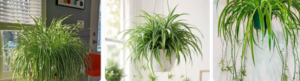
2. Babies grow before touching soil
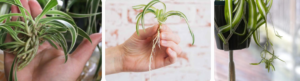
Spider babies develop tiny aerial roots while still attached to the mother plant. They’re already preparing for life on their own before they ever reach the ground.
3. It stores water in its roots and not its leaves
Many people think the leaves hold water, but the real storage system is underground. The swollen roots store moisture and nutrients, allowing the plant to recover quickly after dry periods.
4. It naturally creates hanging gardens
Its arching leaves and dangling babies make Spider Plants perfect for hanging baskets, where the runners can cascade beautifully from shelves or ceilings.
5. Tiny white flowers appear before babies
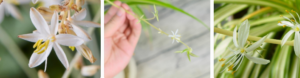
Before a baby plant forms, the runner often produces delicate six-petaled white flowers. After flowering, the tip develops into a miniature Spider Plant.
6. Curly Spider Plants are a real variety
The popular Bonnie Spider Plant isn’t damaged. its leaves naturally curl into spirals, giving it a unique compact appearance while still producing baby plants.
7. It grows faster when slightly root-bound
Spider Plants often bloom and produce more runners when they’re slightly root-bound. A snug pot encourages flowering instead of excessive root growth.
8. It was one of NASA’s famous indoor plants
Spider Plants became famous after NASA research showed they could absorb certain indoor volatile compounds in controlled conditions. While they’re beautiful indoor plants, they shouldn’t be relied on as the sole air purifier in a home.
9. Every runner is a natural propagation cable
The long green runner acts like an umbilical cord, supplying water and nutrients to the baby until it develops enough roots to survive independently.
10. It changes direction toward light
Spider Plant leaves naturally bend toward the brightest light source, creating graceful fountain like growth. Rotating the pot every few weeks helps it grow evenly.
Did you know? 💚
A Spider Plant doesn’t just grow upward—it grows outward. Every runner extends the plant’s reach, allowing the mother plant to colonize new soil naturally. In nature, this helps create lush carpets of Spider Plants across forest floors, while indoors it gives us endless free houseplants.