
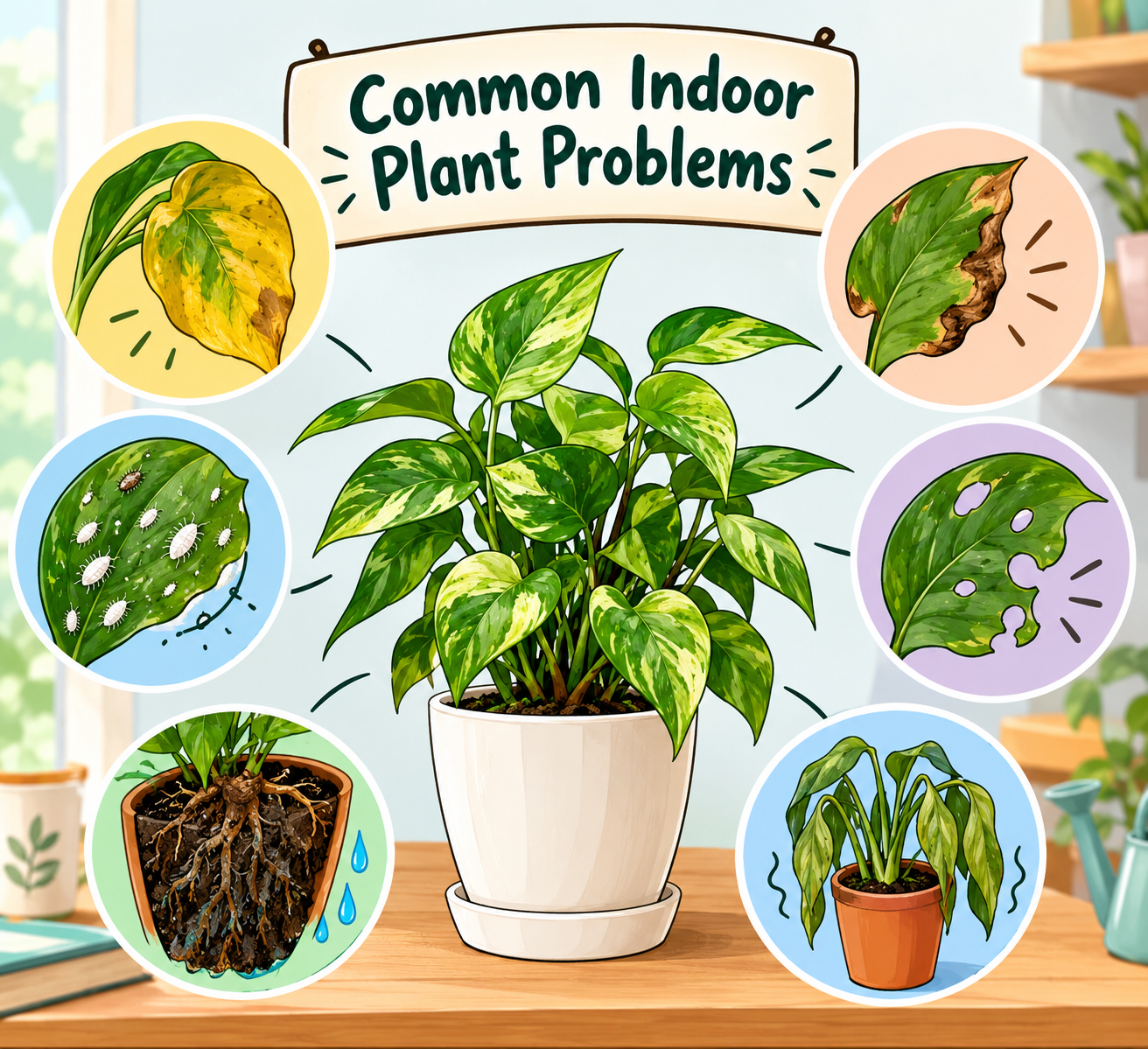
Indoor plants can sometimes develop yellow leaves, brown tips, drooping stems, spots, slow growth, or pest infestations. These symptoms can have several different causes, so it is important to look at the soil, light, roots, temperature, humidity, and pests together rather than assuming there is only one cause.
The key is not to panic when you notice a damaged leaf. Instead, look at the whole plant and identify what changed. This guide covers the most common indoor plant problems, what they may mean, and what you can do to help your plant recover
🌿 Yellow Leaves
Yellow leaves are probably one of the most common problems indoor gardeners encounter. However, yellowing does not automatically mean that your plant needs more water. Different problems can produce similar symptoms.
Common causes for yellow leaves:
- Overwatering
- Underwatering
- Poor drainage
- Low light
- Sudden temperature changes
- Natural ageing of older leaves
- Root stress
- Nutrient problems
An occasional older leaf turning yellow can be completely normal. However, if many leaves begin turning yellow at the same time, investigate the growing conditions.
How to fix it
- First, check the soil.
- If the soil is constantly wet, allow it to dry to the level appropriate for your particular plant before watering again.
- If the soil is extremely dry, give the plant a thorough watering and allow excess water to drain away.
- Also check the pot. A container without adequate drainage can keep the root zone wet for too long.
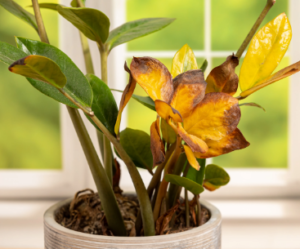
Show a healthy green plant beside a plant with several yellow leaves.
💧 Overwatering
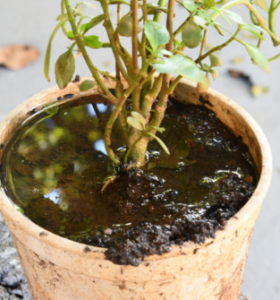
Overwatering is one of the most common indoor plant mistakes. Interestingly, an overwatered plant can sometimes look wilted, which makes gardeners think it needs even more water. When soil remains saturated for too long, there is less air available around the roots. waterlogging can contribute to root damage and root rot.
Signs of overwatering
- Yellowing leaves
- Wilting despite wet soil
- Soft or collapsing stems
- Brown or black roots
- Soil that remains wet for a long time
- Unpleasant-smelling soil
- Leaf drop
How to fix it
- Remove the plant from its decorative cover or saucer and check whether excess water is collecting around the pot.
- If the soil remains saturated, improve drainage and adjust your watering routine.
- For plants suffering from serious root problems, inspect the roots and remove damaged material with clean tools before repotting into suitable fresh growing media.
💡 Did You Know?
A plant can wilt because of too much water as well as too little water. That is why checking the soil is more useful than watering simply because the leaves look droopy.
☀️ Brown or Scorched Leaves
Brown patches can be alarming, especially when they appear suddenly. One possible cause is excessive direct sunlight. Plants that prefer filtered or indirect light can develop scorched or bleached areas when exposed to strong sunlight.
Signs of sun damage
- Brown patches
- Bleached areas
- Dry, crispy sections
- Damage concentrated on the side facing the window
How to fix it
- Move the plant away from intense direct sunlight.
- You can also filter strong sunlight with a sheer curtain.
- Do not move a sensitive plant directly from a dark room into intense sunlight. Gradual changes are safer because plants need time to adjust.
🍂 Brown Leaf Tips and Edges
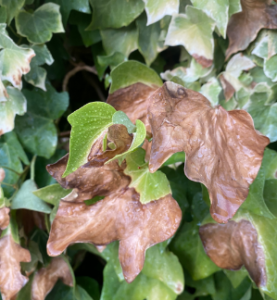
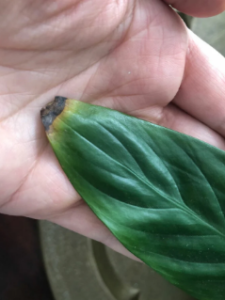
Brown tips are another extremely common indoor plant problem. They can be caused by several factors, including underwatering, dry air, and other environmental stresses. This is especially noticeable on tropical foliage plants.
Possible causes
- Dry air
- Inconsistent watering
- Underwatering
- Root problems
- Poor environmental conditions
What to do
- Check the soil first.
- If it is extremely dry, adjust your watering routine.
- Next, consider humidity. Plants that prefer higher humidity can develop crispy edges when indoor air becomes very dry.
- Grouping plants together or using a humidifier can help increase humidity around suitable houseplants.
Important
Do not assume every brown tip means “low humidity.” Check the soil and the plant’s overall conditions first.
🌱 Drooping or Wilting
A drooping plant is trying to tell you something.
But again, drooping does not have one single cause.
Possible reasons
- Underwatering
- Overwatering
- Root damage
- Excessive heat
- Cold stress
- Sudden environmental changes
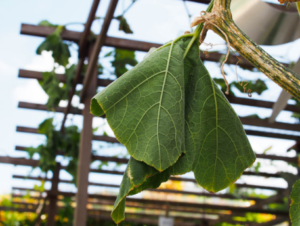
If it is dry several cm below the surface, the plant may need water.
If the soil is already very wet, adding more water can make the problem worse.
🌤️ Leggy or Stretched Growth
Have you noticed your plant becoming tall, thin, and widely spaced?
This is often a sign that the plant is searching for more light.
A plant growing in insufficient light may produce weak or stretched growth as it reaches toward the available light source.
How to fix it
- Move the plant to a brighter location that matches its light requirements.
- Rotate the pot occasionally so growth receives light more evenly.
- Avoid suddenly placing a shade-loving plant into intense direct sunlight.
🪴 Root Rot
Root rot is a serious problem because it begins below the soil, where you may not notice it immediately.
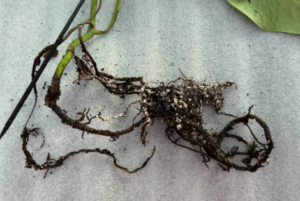
Wet, poorly drained conditions can create an environment where roots become damaged. Symptoms may include yellowing, wilting, poor growth, and declining plant health.
What healthy roots look like
Healthy roots should generally be firm and appropriate in color for the plant.
- Warning signs
- Soft roots
- Dark or brown damaged roots
- Poor growth
- Yellowing leaves
- Wilting while the soil is wet
How to help
- Remove the plant from its pot and inspect the roots.
- Improve drainage and use an appropriate potting mix.
- Do not immediately place the plant back into the same waterlogged soil.
🐛 Spider Mites
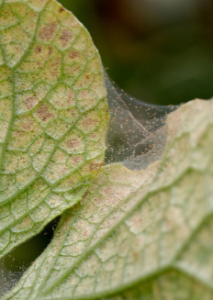
Spider mites are tiny pests that can be difficult to notice during the early stages of an infestation. They can cause pale speckling or mottled-looking leaves. Fine webbing may become visible when an infestation is more advanced.
Look carefully at:
- Undersides of leaves
- Leaf joints
- New growth
- Fine webbing
- Leaves with unusual pale speckles
What to do:
- Isolate the affected plant from your other plants.
- Wash the foliage when appropriate for the plant and monitor it closely.
- For persistent infestations, use a suitable pest-control product according to its label.
🤍 Mealybugs
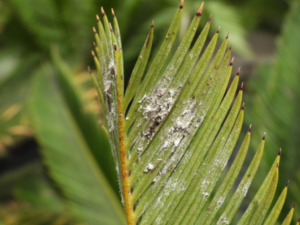
Mealybugs are easier to recognize because they often look like small white, cottony patches.They can hide around stems, leaf joints, and underneath leaves.
Signs
- White cotton-like clusters
- Sticky residue
- Weak growth
- Distorted new growth
How to deal with them
- Inspect nearby plants as well because pests can spread between plants.
- Remove visible pests where practical and use an appropriate treatment if necessary.
- Regular inspection is one of the simplest ways to catch an infestation early.
🪰 Fungus Gnats
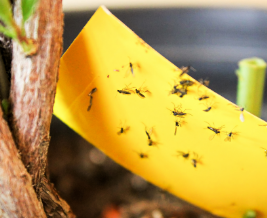
Tiny black flies flying around your indoor plants can sometimes be fungus gnats. They are often noticed around moist potting media. If you repeatedly see small flies emerging when you disturb the soil, inspect the growing medium and your watering routine.
Prevention
- Avoid keeping the potting mix unnecessarily wet.
- Good drainage and appropriate watering can help reduce conditions that favor these pests.
🍃 Leaves Falling Off
Leaf drop can be frightening, but not every fallen leaf means your plant is dying. Older leaves naturally age and eventually fall. However, sudden or widespread leaf drop can indicate environmental stress.
Possible causes
- Overwatering
- Underwatering
- Sudden temperature changes
- Low light
- Root problems
- Stress after moving
- Pest infestation
🏸Look at the pattern.
If only one old lower leaf is yellowing and falling, natural ageing may be involved.
If many leaves suddenly fall, investigate the plant’s growing conditions.
🌡️ Temperature Stress
Indoor plants can also react to temperature extremes.
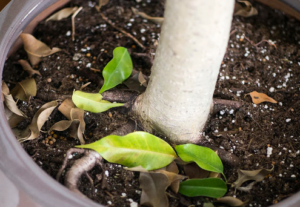
Very hot conditions can cause wilting, curling, bleaching, or crispy foliage. Cold conditions can cause damage to sensitive plants as well.
Keep sensitive plants away from:
- Very hot windows
- Direct blasts from heaters
- Strong air-conditioning vents
- Cold drafts
- Frequently changing temperatures
A stable environment is often better than constantly moving the plant from one extreme to another.
🧂 White Crust on Soil
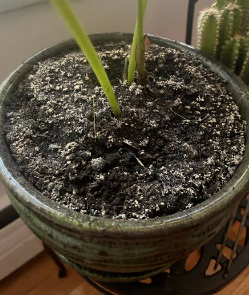
Sometimes you may notice a white crust developing on the surface of your potting mix or around the edge of the container.
This can be associated with mineral or fertilizer salt buildup.
If you see it repeatedly, review your fertilizer and watering practices.
Removing the affected surface material and refreshing the growing medium when appropriate can help.
Also make sure the pot has good drainage.
🌿 Dusty or Dull Leaves
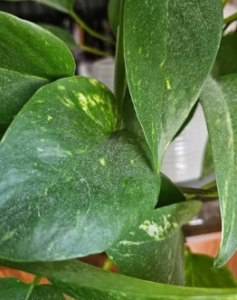
Indoor plants collect dust just like furniture does. A layer of dust can make leaves look dull and can interfere with the amount of light reaching the leaf surface.
Simple solution
- Gently clean broad leaves with a soft, damp cloth when appropriate for the plant.
- Avoid commercial leaf-shine products unless you know they are suitable for the species.
- Clean leaves also make it easier to spot pests early.
🔍 How to Diagnose an Indoor Plant Problem
Before changing several things at once, follow this simple checklist.
Step 1: Check the leaves
Look for:
- Yellowing
- Brown tips
- Spots
- Webbing
- Pests
- Curling
- Bleached areas
Step 2: Check the soil
Is it:
Very dry?
Moist?
Soggy?
Step 3: Check the roots
If the plant is seriously declining, inspect the roots.
Step 4: Check the light
Is the plant receiving too little or too much light?
Step 5: Check the temperature
Look for heat sources, cold drafts, air-conditioning, or sudden temperature changes.
Step 6: Check for pests
Inspect both sides of the leaves and the stems.
Step 7: Change one major factor at a time
This is an important habit.
If you suddenly change the light, water, soil, fertilizer, humidity, and temperature at the same time, it becomes difficult to know what actually helped.
🌱 Prevention Is Better Than Rescue
The easiest way to deal with indoor plant problems is to prevent them before they become serious.
Give every plant the conditions it needs rather than using the same routine for every plant.
Check the soil before watering.
Use containers with adequate drainage.
Match the plant with an appropriate light level.
Inspect new plants for pests.
Keep newly purchased plants separated from your collection while you monitor them.
Clean dusty foliage when appropriate.
Finally, observe your plants regularly.
A five-minute weekly inspection can help you notice problems before they become major ones.
🌿 Final Thoughts
Indoor plants can develop problems even when you are doing your best to care for them. The important thing is to look at the symptoms and the environment together. Yellow leaves may point toward several different problems. Brown tips may have more than one cause. Wilting can occur in both dry and waterlogged plants.
Instead of immediately adding more water or fertilizer, stop and investigate.
Check the soil, roots, light, temperature, humidity, and leaves.
Once you learn to read these signals, caring for indoor plants becomes much easier.
A struggling plant is not always a lost plant. In many cases, correcting the growing conditions can help it recover and produce healthy new growth.