From One Plant to Many: Easy Propagation
From One Snake Plant to Many: Fascinating Propagation Facts
Most people know Snake Plants are easy to grow but their propagation is surprisingly scientific and easy to do.
1. A single leaf can become multiple plants
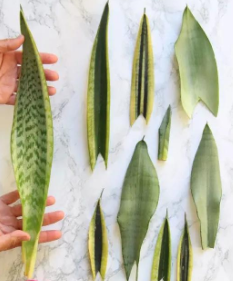
One healthy leaf can be cut into 5–10 sections, and each section can produce its own roots and baby plant. It’s one of the few houseplants that multiplies so efficiently.
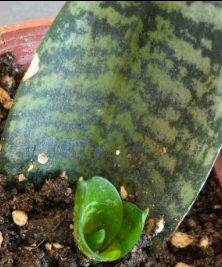
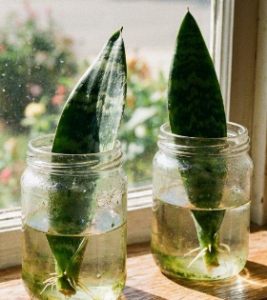
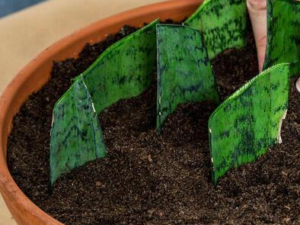
How can one leaf create many plants?
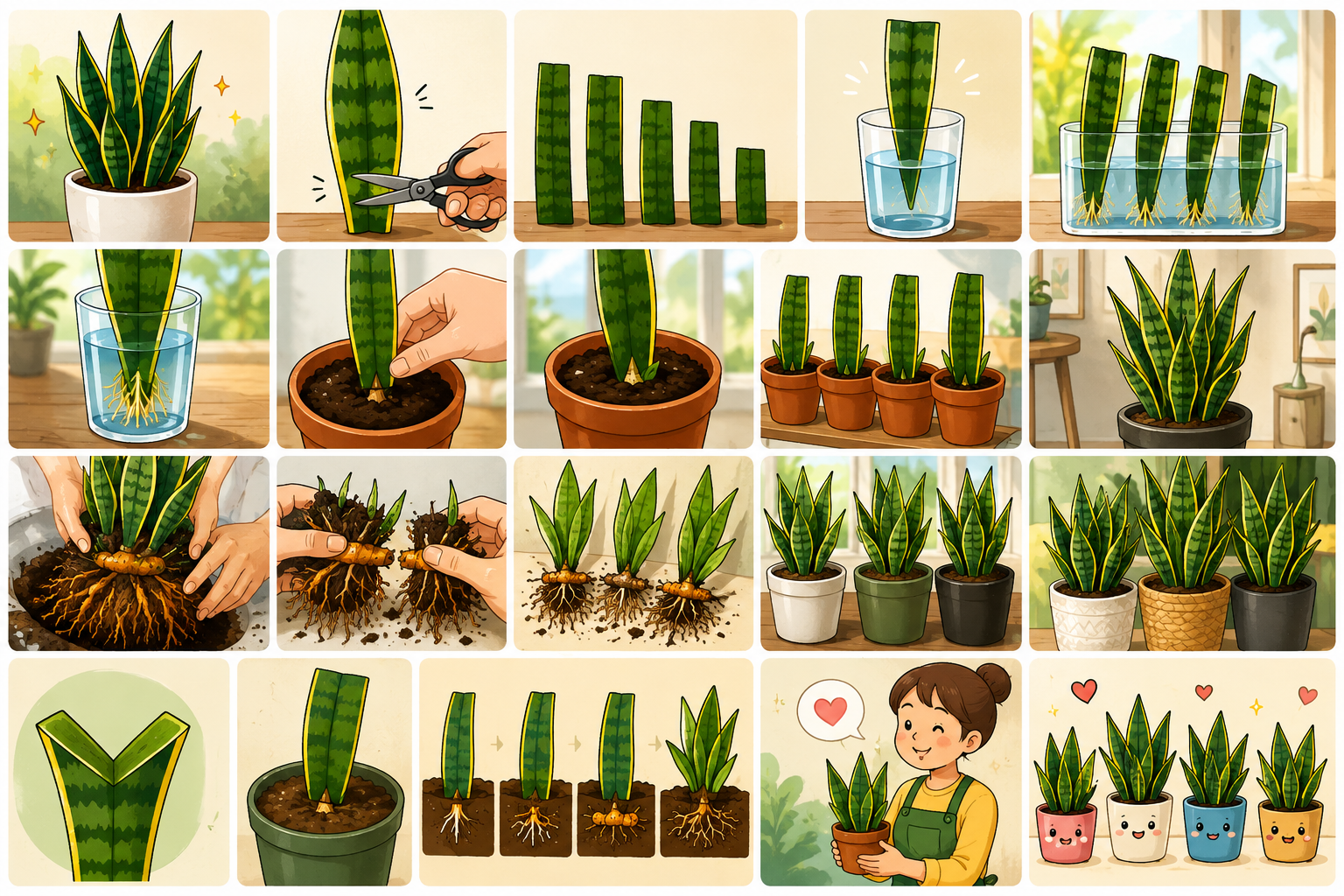
Instead of planting the whole leaf, you can cut it into 5–8 cm (2–3 inch) sections. Each section contains living cells that can develop roots and eventually grow a new rhizome.
- Cut one mature leaf into several sections.
- Plant each cutting with the bottom end facing down.
- Roots develop first, then a tiny underground rhizome forms.
- Finally, a brand-new Snake Plant emerges from the soil.
Why does this happen?
Snake Plants have remarkable regenerative tissue. Even a small leaf section contains enough stored water and nutrients to survive while producing roots. Once the cutting develops a rhizome (an underground stem), it begins creating completely new leaves.
🌿 Did You Know???
- 1 leaf = 4–10 possible cuttings, depending on its length.
- Each cutting has the potential to become an independent plant.
- The original leaf may slowly dry out, but the new plant continues growing from its own rhizome.
- This is one of the most cost-effective ways to multiply your Snake Plant collection.
2. Snake Plants grow from hidden underground stems :
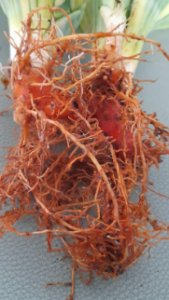
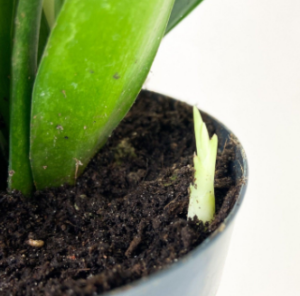
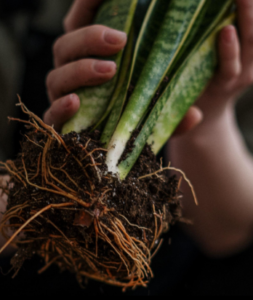
Those tiny “babies” don’t appear from the leaf, they grow from rhizomes, which are underground stems that store energy and send up new shoots.
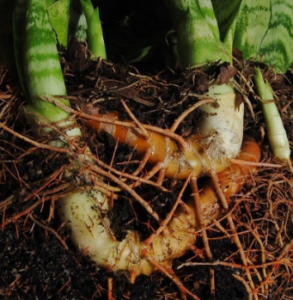
Why is this so unique?
Unlike many houseplants, Snake Plants don’t produce new leaves directly from their roots. Instead, they grow from rhizomes thick underground stems that spread horizontally beneath the soil. These hidden stems store water, nutrients, and enough energy to create completely new plants.
How hidden rhizomes create new plants:
- Step 1: The mature plant stores water and nutrients inside its underground rhizome.
- Step 2: The rhizome slowly grows sideways beneath the soil.
- Step 3: A tiny shoot (called a pup) begins growing upward.
- Step 4: The pup develops its own roots and becomes an independent Snake Plant.
Did You Know?
A single mature Snake Plant may contain several connected rhizomes beneath the soil. Even if you only see one plant above ground, multiple future plants are quietly growing underneath.
Did you know? Rhizomes act like nature’s underground battery, storing water and nutrients for future growth.
3. The V-shaped cut isn’t just for looks
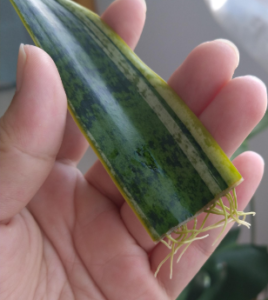
Gardeners often cut a V shape at the bottom of the leaf before rooting. This increases the exposed surface area and prevents the cutting from sitting flat against the glass.
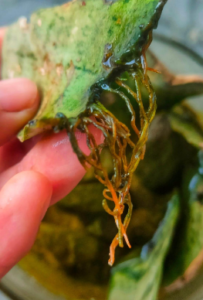
Why is the V-cut important?
When propagating a Snake Plant, many gardeners cut the bottom of the leaf into a V shape instead of leaving it flat. This isn’t simply decorative. it increases the exposed rooting area, helps absorb moisture more evenly, and makes it easier to identify the correct planting direction.
How the V-shaped cut works
- Step 1: Cut a healthy mature leaf into 5–8 cm sections.
- Step 2: Make a small V-shaped notch at the bottom of each cutting.
- Step 3: Let the cuttings dry for 24–48 hours so the wound forms a protective callus.
- Step 4: Plant the V-cut end downward in well-draining soil or place it in water.
Did You Know???
🌟The V-cut is about biology, not beauty.
The angled cut helps maximize rooting tissue while making the correct planting direction obvious two simple advantages that can improve propagation success.
4. Water roots and soil roots are different
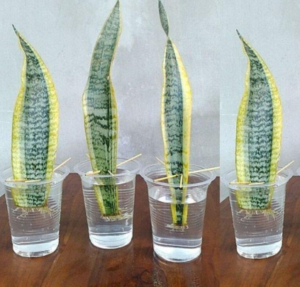
Roots grown in water are usually thinner and more delicate, while soil-grown roots are thicker and adapt better after transplanting. That’s why many growers prefer direct soil propagation for long-term success.
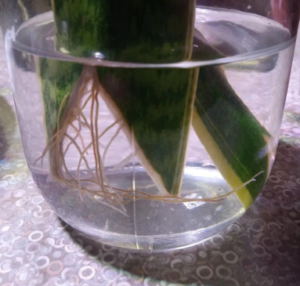
Why are they different?
Snake Plant roots adapt to their environment. Roots that grow in water are designed to absorb oxygen and nutrients from water, while roots that develop in soil are thicker and better suited for anchoring the plant and collecting moisture from potting mix.
This means water roots are temporary—they eventually get replaced after planting in soil.
How roots change after transplanting
- Step 1: A leaf cutting grows thin, white water roots.
- Step 2: The rooted cutting is planted into well-draining soil.
- Step 3: Some water roots gradually stop growing and die back.
- Step 4: New, stronger soil roots develop from the rhizome and support long-term growth.
Did You Know???
✨Don’t panic if water roots disappear!
After transplanting, it’s completely normal for delicate water roots to shrink while the Snake Plant grows a brand-new soil root system underneath.
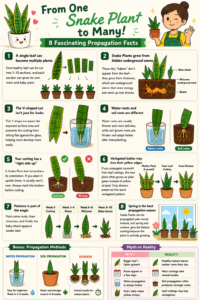
Pro Tip !!!!!!
Keep the soil slightly moist for the first 1–2 weeks after moving a water-propagated cutting into soil. This helps the plant transition while new soil roots develop, but avoid keeping the pot constantly wet.